

image by opensource.com
What is Psychology?
Psychology is the study of the mind and behavior. The discipline embraces all aspects of the human experience – from the functions of the brain to the actions of neurons, from child development to care for the aged. In every conceivable setting from scientific research centers to mental health care services, “the understanding of behavior” is the enterprise of psychologists.
Is Psychology a Science?
Yes. Psychology is sometimes considered a natural science and sometimes a social science. Psychological scientists form hypotheses, collect data, and test hypotheses through experiments, quasi-experiments, and correlational studies. There are many areas of psychology, such as clinical, cognitive, developmental, and affective, that can be studied through a neuroscientific, biological, or behavioral lens. Psychology also includes the scientific study of what therapies work to help those who are experiencing struggles related to thoughts, emotions, memories, learning, and relating to others and how to effectively apply these therapies. If you are interested in neuroscience, emotions, thoughts, memories, learning, social interactions, beliefs, cognitive development, psychological disorders, or therapy, psychology is for you!
Why Study Psychology?
An undergraduate major in psychology offers a student preparation for a wide variety of careers. Many majors find psychology to be an excellent preparation for such service-oriented professions as social work, counseling and guidance, special education, and management. Those who pursue graduate work in one of the many fields of psychology often seek positions in teaching and research or applied human services. In addition, the study of psychology provides a knowledge and an understanding of behavior that has applications in other professions as well, including nursing, medicine, law, teaching, business, and public relations.

image by Tim Sheerman-Chase
Undergraduate Psychology News and Highlights
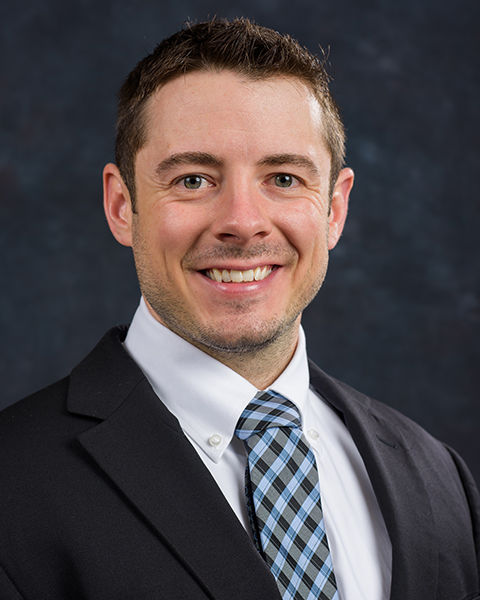
Psychological sciences’ Wilson Brown examines connections between posttraumatic stress disorder symptoms and severe mental illnesses
Wilson Brown, PhD, assistant professor in the Department of Psychological Sciences, and other researchers at Case Western Reserve University recently reported new findings in Psychiatry Research clarifying how posttraumatic stress disorder (PTSD) symptoms interconnect with severe mental illnesses (SMI), such as schizophrenia and bipolar disorder. The work, titled “Modeling the...
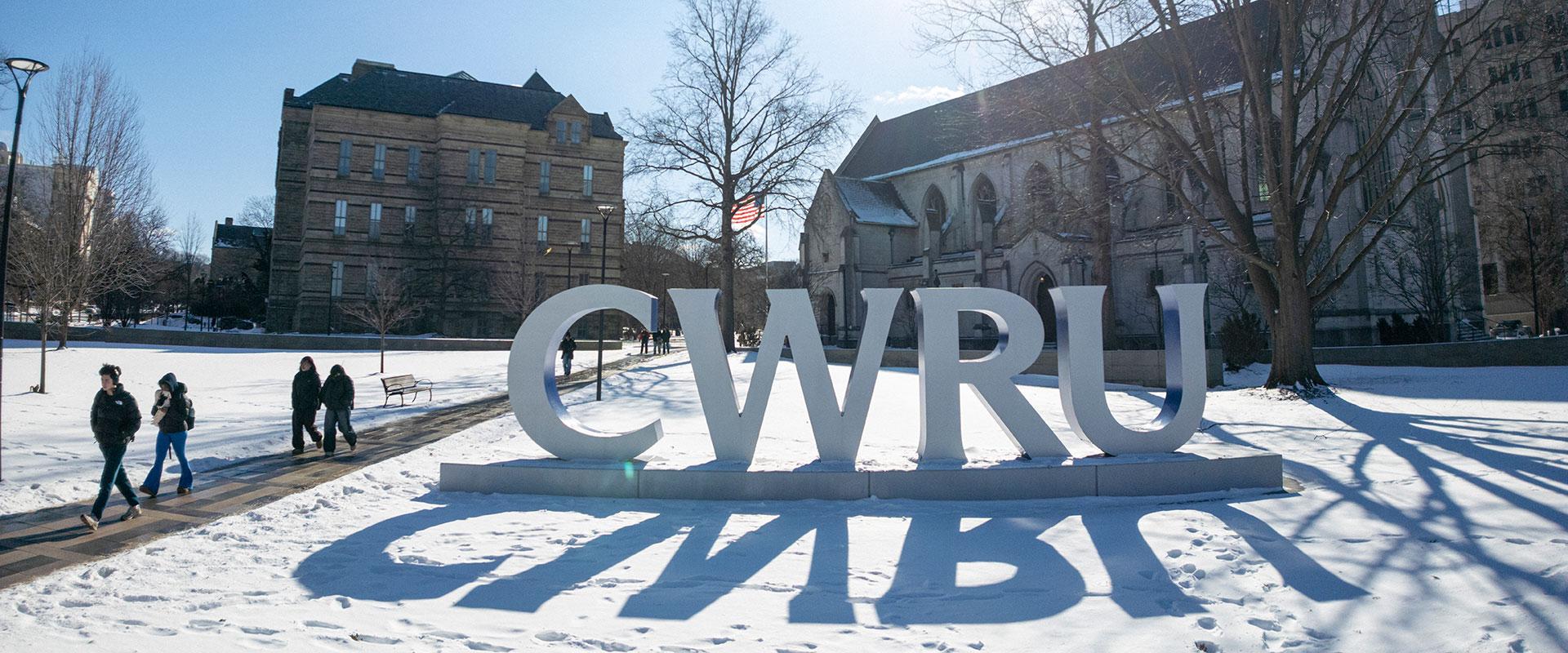
Case Western Reserve University named among world’s top universities by TIME
TIME magazine named Case Western Reserve among the world’s best universities, placing the institution 25th globally in its World’s Top Universities of 2026 ranking. The recognition ranks Case Western Reserve among a select group of institutions worldwide identified for long-term impact on students and society. Unlike rankings that emphasize admissions...

Why you should rethink homework and focus on creative time
MSN: Sandra Russ, Distinguished University Professor and the Louis D. Beaumont University Professor at the College of Arts and Sciences, said that kids learn far more from creative, imaginative play than from nightly worksheets. Read the full article here.

For ex-Haredi Jews, forgiveness may be a route to greater happiness, study finds
Religion News Service: Yehudis Keller, clinical psychology PhD student at the College of Arts and Sciences, said leaving ultra-Orthodoxy carries “high cost or high demand,” and the adjustment can be “really difficult in multiple ways.” Her study found that forgiveness—especially self-forgiveness—correlated with greater resilience, well-being and life satisfaction after...
Psychotherapy services available for children and families
The CWRU Psychology Clinic is now accepting referrals and new clients for child and family psychotherapy, offering evidence-based support in a university-affiliated setting. Our graduate trainees provide care for children, adolescents, and families facing challenges such as anxiety, depression, behavioral concerns, relational difficulties, and transition stress. Located on the CWRU campus, the...
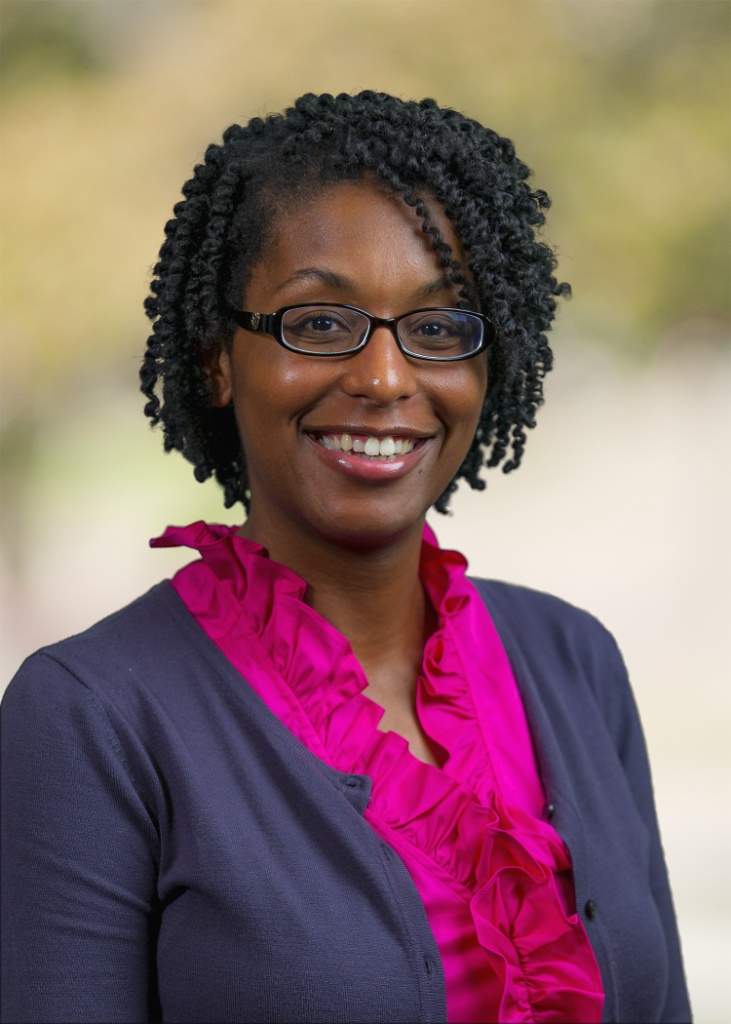
Meet new faculty at the College of Arts and Sciences – Stacy Ryan-Pettes
Associate Professor Department of Psychological Sciences Though Stacy Ryan-Pettes always knew she wanted to work to improve the lives and condition of youth navigating the juvenile justice system, it was during her research training that she discovered a passion for implementation science and health equity. A licensed clinical psychologist with a...

Meet new faculty at the College of Arts and Sciences – Rita Obeid
Assistant Professor Department of Psychological Sciences Before arriving in Cleveland, Obeid was a visiting associate professor at Lehman College, where she conducted research on child language development to reduce stigma toward disabilities on a national and international level. Obeid also received her bachelor’s and master’s degrees in psychology from the American...
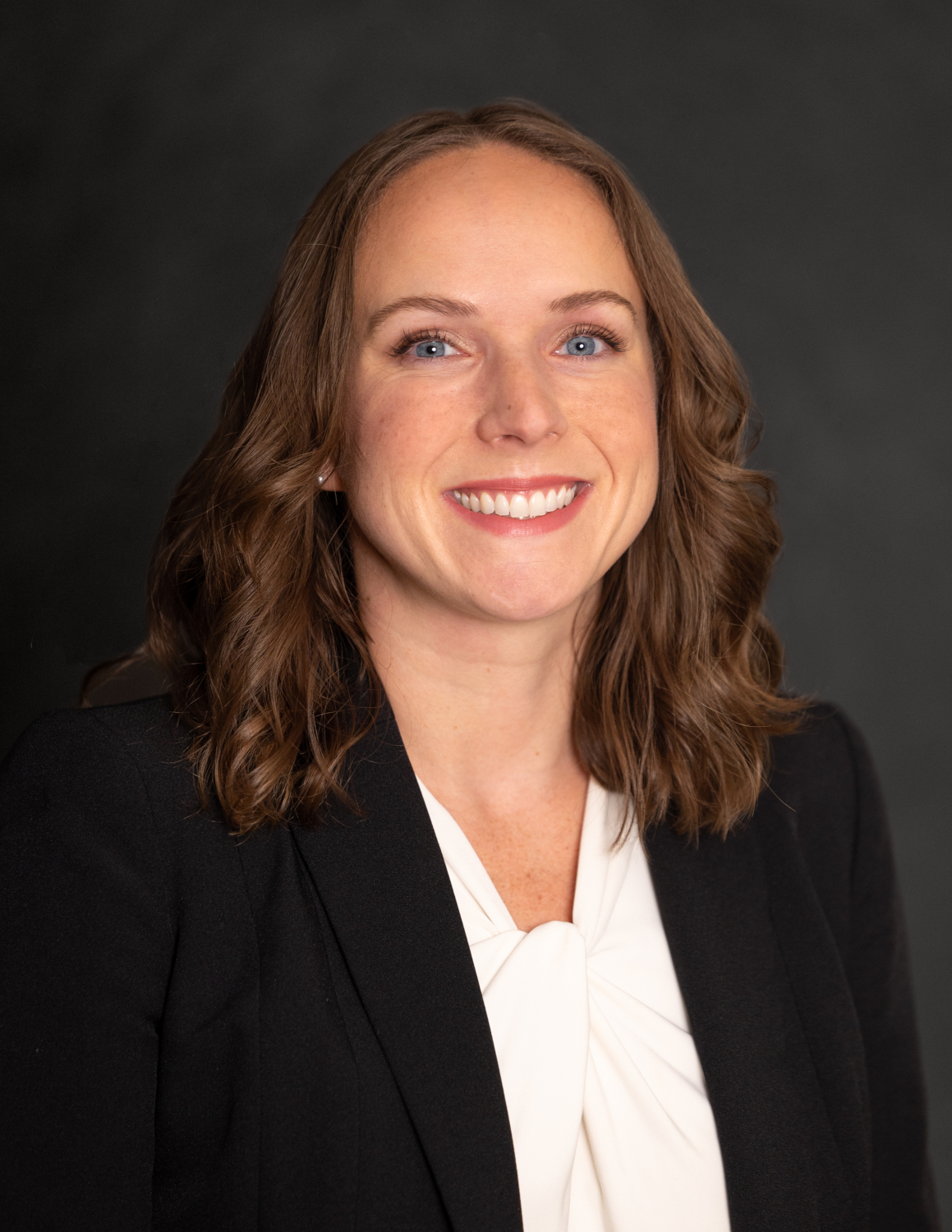
Meet new faculty at the College of Arts and Sciences – R. Elizabeth Capps
Assistant Professor Department of Psychological Sciences R. Elizabeth Capps received her bachelor’s in psychology from Roanoke College in Salem, Virginia, before receiving her masters in psychology from Appalachian State University in Boone, North Carolina. Capps then received her PhD in clinical psychology, and completed a fellowship at Children’s National Hospital in...
Meet new faculty at the College of Arts and Sciences – Wilson Brown
Assistant Professor of Clinical Psychology Department of Psychological Sciences One of the first to examine the implementation of prolonged exposure (PE) for PTSD in veterans, Wilson J. Brown completed his PhD in clinical psychology and formal trauma specialization at The University of Missouri-St. Louis. He completed his fellowship in clinical psychology...