

image credit UMC
Case Western Psychological Sciences faculty conduct cutting edge interdisciplinary research on the brain, memory, behaviors, speech, swallowing, clinical disorders, learning, expertise, play, perception, and many other topics. We encourage students to become involved in research, especially those who plan to go on to graduate school in psychology. Research experience provides students with the opportunity to learn more about the scientific process and to get to know faculty members and graduate students in the department better. Additionally, research assistant experience provides opportunities for faculty to know you and write letters of recommendation on your behalf. Some research experiences can even sometimes result in student authorship on papers and conference presentations, both of which are helpful if one wants to pursue graduate school.
To learn more about faculty members’ research topics, please see their profiles.
 Research Methods Class
We recommend that all psychology and communication sciences majors take Research Methods, PSCL375 during their time at CWRU. This course teaches you foundational information about conducting a literature search, evaluating the scientific merit of existing research, creating hypotheses, and designing studies. The course is offered in a small seminar and involves a large number of exercises and experiential learning. Research Methods is also a pre-requisite for many of the department’s Capstone courses.
Research Assistant Experience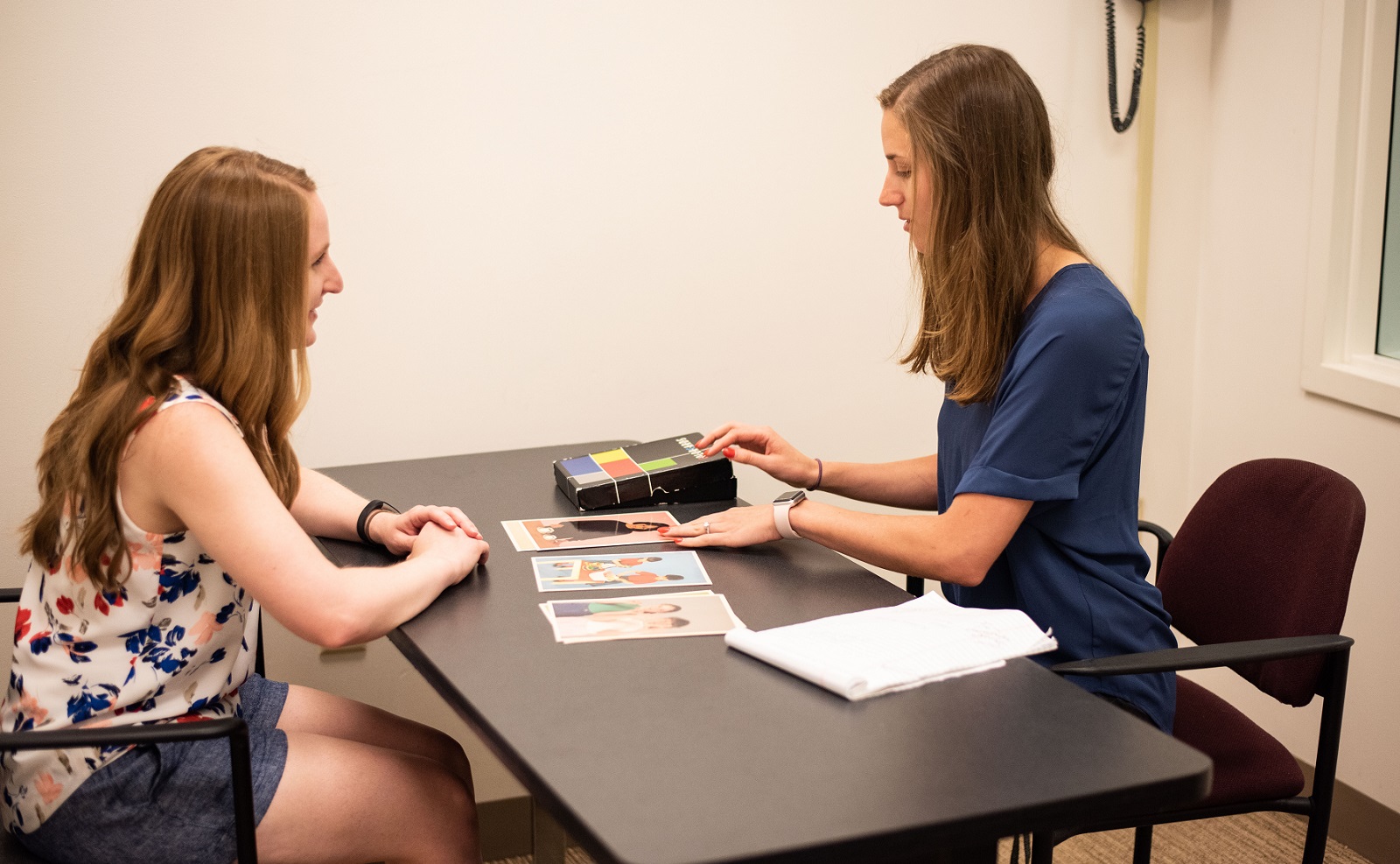
If you are interested in becoming more involved in research, please look at the faculty profiles and contact professors whose research interests you via email. Please send professors your unofficial transcript and CV/resume if you have one. Due to the large number of students who want to serve as a research assistant, it sometimes takes several semesters to find a lab with available research assistant slots. Don’t give up! We highly encourage you to take this opportunity to learn more about research

Looking to be a participant in research?
Please see the SONA system for students in PSCL101 and PSCL375.
Research News
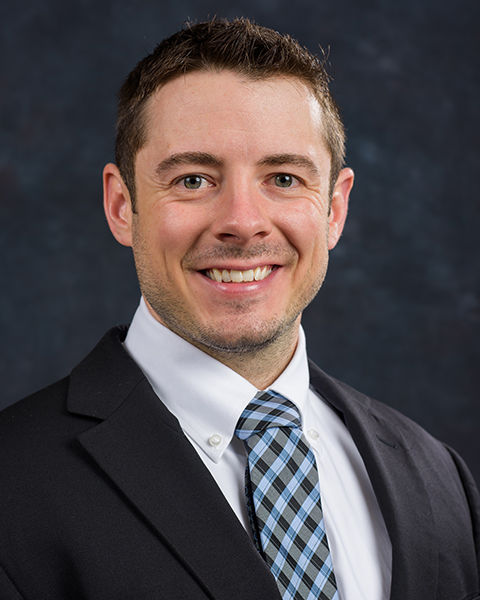
Psychological sciences’ Wilson Brown examines connections between posttraumatic stress disorder symptoms and severe mental illnesses
Wilson Brown, PhD, assistant professor in the Department of Psychological Sciences, and other researchers at Case Western Reserve University recently reported new findings in Psychiatry Research clarifying how posttraumatic stress disorder (PTSD) symptoms interconnect with severe mental illnesses (SMI), such as schizophrenia and bipolar disorder. The work, titled “Modeling the...
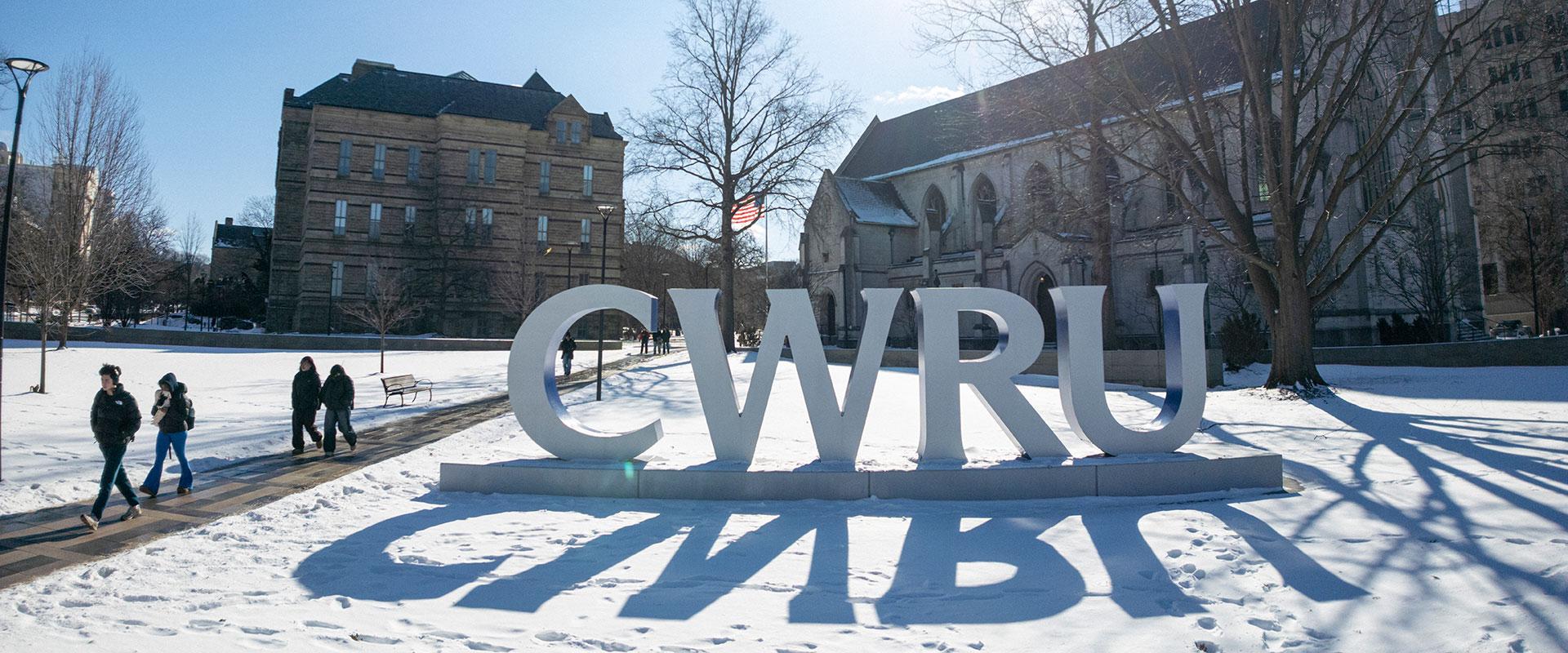
Case Western Reserve University named among world’s top universities by TIME
TIME magazine named Case Western Reserve among the world’s best universities, placing the institution 25th globally in its World’s Top Universities of 2026 ranking. The recognition ranks Case Western Reserve among a select group of institutions worldwide identified for long-term impact on students and society. Unlike rankings that emphasize admissions...

Why you should rethink homework and focus on creative time
MSN: Sandra Russ, Distinguished University Professor and the Louis D. Beaumont University Professor at the College of Arts and Sciences, said that kids learn far more from creative, imaginative play than from nightly worksheets. Read the full article here.
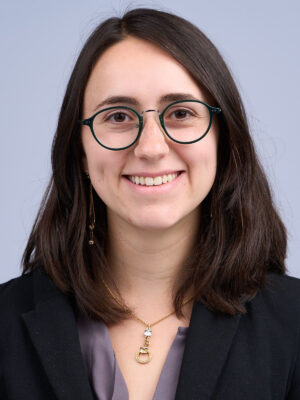
For ex-Haredi Jews, forgiveness may be a route to greater happiness, study finds
Religion News Service: Yehudis Keller, clinical psychology PhD student at the College of Arts and Sciences, said leaving ultra-Orthodoxy carries “high cost or high demand,” and the adjustment can be “really difficult in multiple ways.” Her study found that forgiveness—especially self-forgiveness—correlated with greater resilience, well-being and life satisfaction after...

Inside an audiology lab, where Lauren Calandruccio investigates multilingual hearing behavior in noisy environments
While working as a clinical audiologist, Lauren Calandruccio realized how many unknowns remain in the science of hearing. And she wanted to help find those answers. Inspired by the time she spent with her patients and the many unanswered questions, Calandruccio decided to go back to school and pursue...

Communication sciences PhD student, Cassandra Lopéz, is determined to develop hearing assessment materials for Spanish-speaking communities
Cassandra Lopéz, a second-year PhD student, is working to improve hearing assessment for Spanish-speaking communities and the clinicians who serve them. “Having experienced the challenges of limited bilingual resources both as a clinician and as a child of a monolingual Spanish speaker, I am deeply motivated to address this gap,”...