

Graduate Students
The doctoral program in Communication Sciences accepts students from across the United States and internationally. We accept a small number of students each year to insure high quality research training and close supervision that adheres to a mentor model. Our graduates go on to successful careers in the field working in universities, research hospitals, or clinics. Former graduates of our program have become leaders in research, professional organizations, and education.
Graduate Admissions
We expect our applicants to document a strong undergraduate and graduate record. Successful applicants will have strong letters of recommendation that highlight the applicants understanding of the profession and active participation in clinical and research activities. The applicant’s statement of purpose is also a vital component of the admission process as it helps with the matching of students with the appropriate academic mentor who shares similar interests. An interview is essential. Applications are reviewed and accepted on a rolling basis.
Doctoral Training
The doctoral training program at Case is based on interdisciplinary training with the expectation that the student will identify areas outside of the department that would support their training (e.g., neuroscience, genetics, head/neck anatomy, computer sciences). Additionally, there are close training opportunities with the doctoral programs in Clinical and Experimental Psychology. Together with the major advisor, the student designs an individual plan of study based on his/her previous experience and professional goals. Regardless of interest area, all students complete research and teaching requirements.
Research Opportunities
The doctoral training program at Case encourages exploration of both basic science and clinically-applied research areas. Current areas of research expertise within the department include: swallowing, speech perception, childhood speech and language disorders, adolescent language disorders, and acquired neurogenic communication disorders across the life span. The interdisciplinary model that is interwoven in the coursework is extended to the research process and students are encouraged to include members with additional expertise on their doctoral committee.
For additional information about the Ph.D. program please contact the Dr. Lauren Calandruccio, Ph.D at lxc424@case.edu.
Student Life
Learn about our wellness initiatives for graduate students.
Case Western Reserve University named among world’s top universities by TIME
TIME magazine named Case Western Reserve among the world’s best universities, placing the institution 25th globally in its World’s Top Universities of 2026 ranking. The recognition ranks Case Western Reserve among a select group of institutions worldwide identified for long-term impact on students and society. Unlike rankings that emphasize admissions...

Inside an audiology lab, where Lauren Calandruccio investigates multilingual hearing behavior in noisy environments
While working as a clinical audiologist, Lauren Calandruccio realized how many unknowns remain in the science of hearing. And she wanted to help find those answers. Inspired by the time she spent with her patients and the many unanswered questions, Calandruccio decided to go back to school and pursue...

Communication sciences PhD student, Cassandra Lopéz, is determined to develop hearing assessment materials for Spanish-speaking communities
Cassandra Lopéz, a second-year PhD student, is working to improve hearing assessment for Spanish-speaking communities and the clinicians who serve them. “Having experienced the challenges of limited bilingual resources both as a clinician and as a child of a monolingual Spanish speaker, I am deeply motivated to address this gap,”...
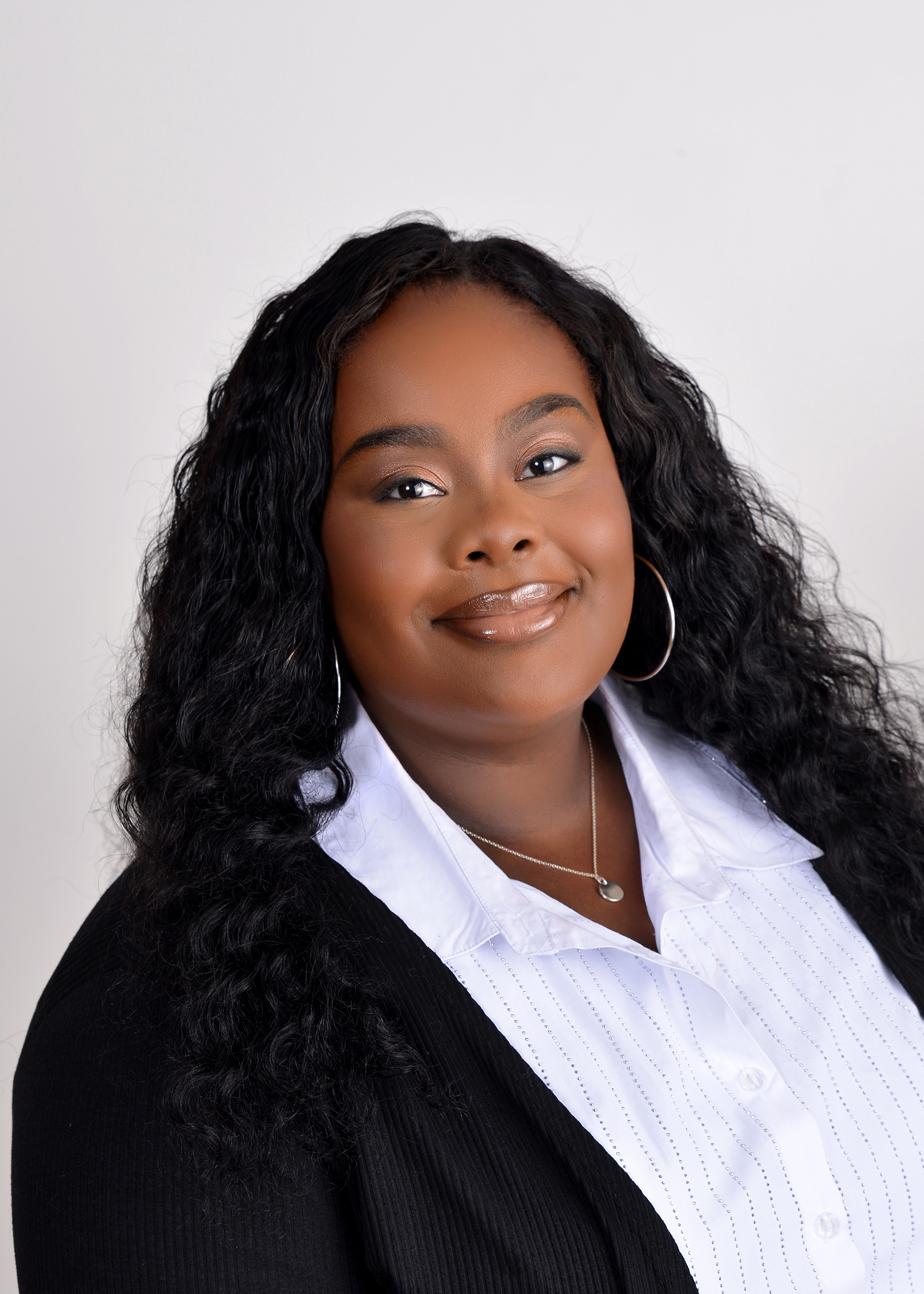
Meet new faculty at the College of Arts and Sciences – Kristina Bowdrie
Assistant Professor Department of Psychological Sciences, Program in Communication Sciences After receiving her bachelor’s degree from CWRU in communication sciences and psychology, Kristina Bowdrie has returned to the Department of Psychological Studies. Bowdrie received her PhD in Speech and Hearing Science from The Ohio State University, where she also served as...
Former Emerging Scholar Kristina Bowdrie brings her journey full circle at CWRU
The first time Kristina Bowdrie, PhD (CWR ’17), walked through the doors of Case Western Reserve University, she was a nervous first-year student hoping to find her footing. Twelve years later, she’s walking those halls again—this time as a mentor, researcher and assistant professor. For Bowdrie, who began her first...
PTSD depression research study offering therapy
The PTSD Treatment and Research Program at Case Western Reserve University is looking for people ages 18-65 who have experienced a stressful life event and are experiencing symptoms of PTSD or depression. Such stressors might include loss of a job, sexual assault, end of a serious relationship, physical assault, or loss...

Can Doing Crosswords, Puzzles, and Other Games Really Help You Stay Sharp?
Health: Angela Hein Ciccia, associate professor in the Department of Psychological Sciences in the College of Arts and Sciences, said brain games only benefit cognition if they’re truly challenging. Once a task becomes easy, the effect fades. She recommended learning new games and playing consistently—ideally several times a week...
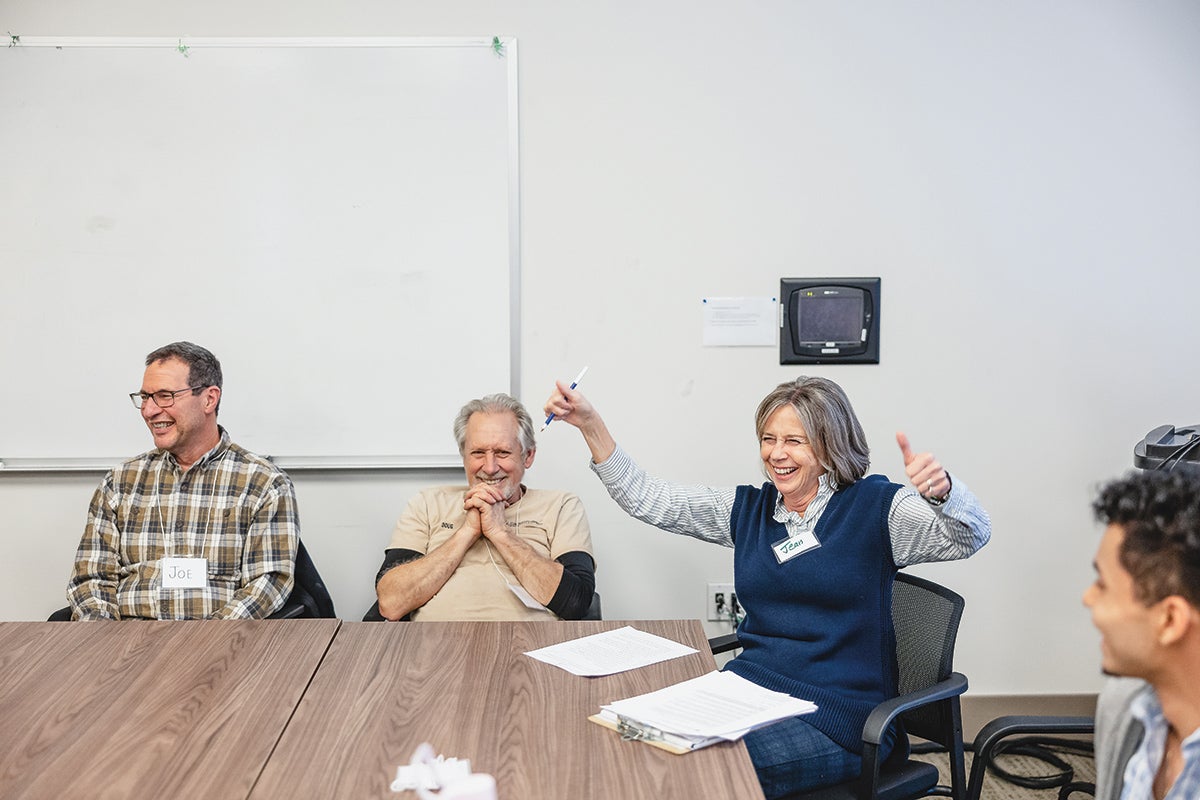
Connecting—With and Without Words Fostering communication and community for people with neurogenic disorders
Every Monday, nearly 35 people come together for a program on the edge of campus, drawn by camaraderie, a compassionate environment and a desire to communicate better as they live with a nervous-system disorder that makes speaking difficult. For years, many members of this Case Western Reserve University program, known...